Curtain Bangs: The Face-Framing Cut America Can't Quit
What curtain bangs actually are (and aren't)
Remember when everyone said curtain bangs were over? That was three years ago. They're still here, still all over your feed, and honestly? They've earned it.
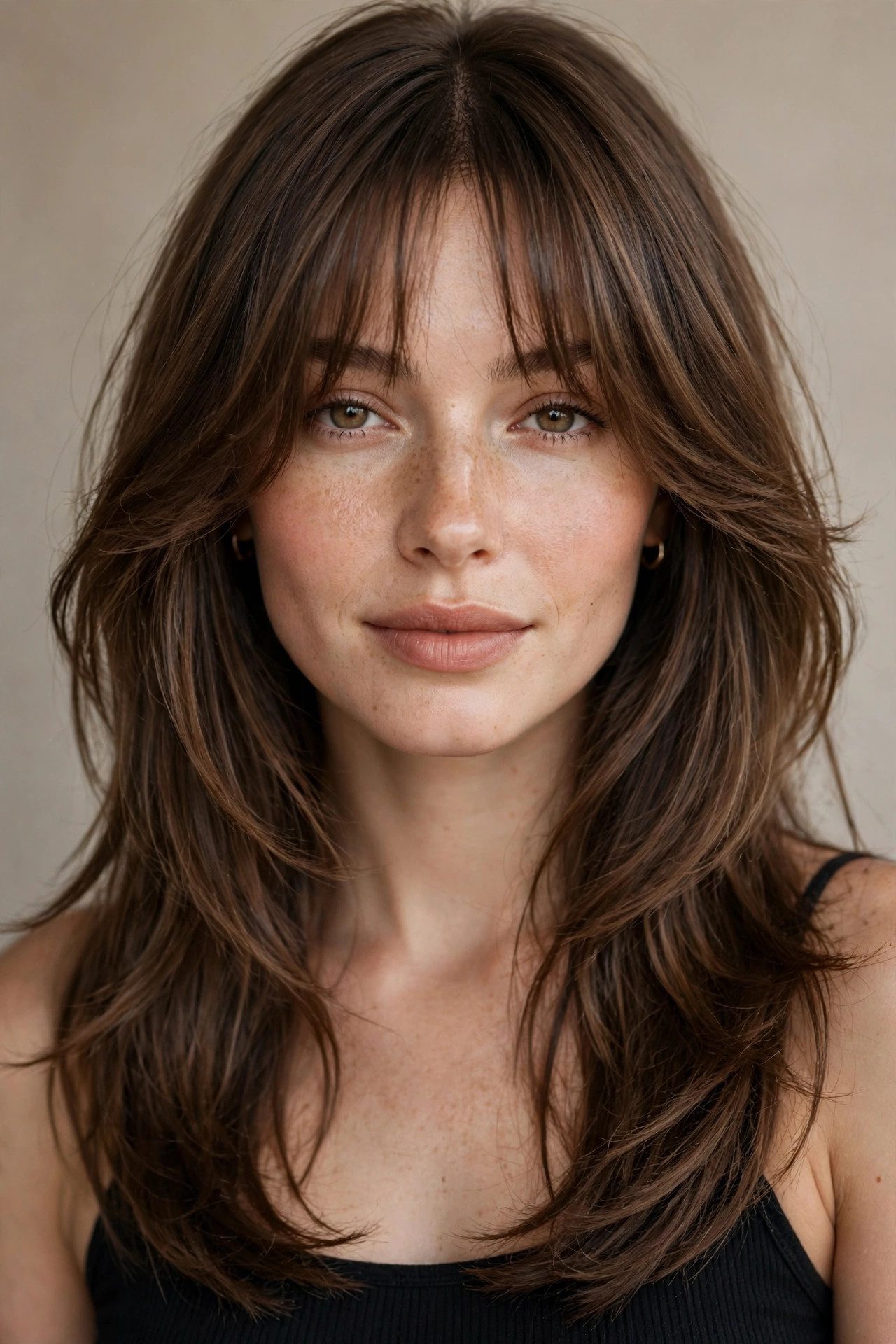
Here's the thing about curtain bangs: they're the lowest-commitment fringe ever invented. They're not the blunt, forehead-covering bangs of 2016 that required a straightener, a prayer, and a backup plan. Curtain bangs are softer, longer, and parted down the middle so they sweep open like — well, curtains. The center hits around the eyebrows or cheekbones, and the pieces get gradually longer as they blend into the rest of your hair.
Why does that matter? Because it means they work with your hair instead of fighting it. Cowlick? The middle part hides it. Growing them out? They just become face-framing layers, which is a whole other haircut people pay for. Bad hair day? They still look intentional.
We tried counting how many celebrities are wearing some version right now and gave up around forty. That's not a trend. That's a staple.
Why America still can't quit them
So why, in late 2026, are stylists still cutting these every single day? We asked around, and the answer kept coming back to the same word: forgiving.
Most trends demand something from you. The bob demands frequent trims. The pixie demands confidence and about six products. Curtain bangs demand... almost nothing. They look good air-dried. They look good with second-day hair. They look good when you haven't touched them in ten weeks, which — let's be real — is how most of us actually live.
There's also the TikTok factor. The curtain-bang blowout tutorial is one of those rare videos that actually delivers what it promises, because the technique is simple: round brush, blow dryer, sweep outward. Millions of views, thousands of converts. And unlike a lot of viral hair trends (we're looking at you, wolf cut), this one doesn't require a specific hair texture to work. Straight, wavy, curly, fine, thick — there's a version for all of it.
Our honest take: if you've been circling this haircut for years, just do it. It's the rare trend with almost no downside. Worst case, you grow them out in two months and nobody notices.
Who curtain bangs actually suit
Short answer: almost everyone. Longer answer: it depends on the length and texture you choose, so here's the breakdown we give friends.
- Round faces: yes — keep the center pieces longer, hitting at or below the cheekbones. The vertical lines slim the face instead of widening it. This is genuinely one of the most flattering fringes for round faces.
- Oval and long faces: the sweet spot. You can go shorter in the center (eyebrow-grazing) without worry.
- Square faces: ask for wispy, textured ends rather than anything blunt. Softness is your friend here.
- Heart-shaped faces: curtain bangs were basically designed for you. They fill in the forehead and balance a narrower chin.
What about hair texture? Fine hair gets instant volume around the face — a genuine win. Thick hair needs the bangs thinned out a bit so they don't turn into a wall. Wavy and curly hair? Some of the best curtain bangs we've seen are on curls. Ask your stylist to cut them dry or stretched so the length lands right, because curls spring up shorter than you expect.
The one case where we'd pause: very short hair. Curtain bangs need some length to sweep and blend. On a pixie, the proportions get weird.
What to ask for at the salon
Walk into the salon armed with the right words and you'll walk out with the right cut. Here's exactly what to say:
Say this: "I want curtain bangs — parted in the middle, shortest in the center around my eyebrows (or cheekbones), getting longer as they blend into my layers."
Bring photos. Not one — three. Stylists read pictures better than descriptions, and three photos show the range of what you like versus one very specific image they might over-copy.
Talk about your routine. Be honest about how much effort you'll actually put in. If the answer is "almost none," say so — a good stylist will cut them longer and more blended so they behave with zero styling.
And here's what not to do: don't ask for them super short on the first cut. You can always take more off. You cannot glue it back on. Start conservative, live with it for a week, then go shorter if you want. Every stylist we've talked to says the same thing — the clients who go too short on day one are the ones who cry in the chair.
Styling them at home without losing your mind
Good news: this is a five-minute job once you know the move. Bad news: the move is slightly different depending on your tools.
With a blow dryer and round brush (the classic): rough-dry your bangs forward first — yes, forward, like a weird little fringe curtain over your forehead. Then take your round brush, wrap each side, and blow-dry sweeping outward and away from your face. That outward flip is the whole look.
With a flat iron: clamp near the roots, glide down, and flick your wrist outward at the ends. Bend away from the face, not toward it. Toward gives you 1970s news anchor. Away gives you French girl.
With nothing (our favorite): on damp hair, part them down the middle, twist each side loosely away from your face, and let them air-dry. Untwist. Done. This works shockingly well on wavy hair.
A pea-sized bit of styling cream on the ends keeps them piece-y instead of fluffy. And dry shampoo at the roots on day two? Non-negotiable. Bangs get oily faster than the rest of your hair because they sit on your forehead. That's just physics.
Maintenance, growing out, and our final verdict
Let's talk maintenance, because this is where curtain bangs quietly beat every other fringe.
A blunt bang needs a trim every three to four weeks or it starts stabbing you in the eyes. Curtain bangs? Eight to twelve weeks, easy. And here's the beautiful part — when they grow out, they don't look grown out. They look like long face-framing layers, which is literally a haircut people request on purpose. There's no awkward phase. No bobby-pin purgatory. No hats.
Between cuts, you can maintain them yourself if you're brave: twist the section, snip tiny amounts off the ends, and stop before you think you're done. (Everyone over-cuts their own bangs. Everyone.) Or just let your stylist handle it — most salons do bang trims for free or cheap between appointments.
The verdict: curtain bangs remain the smartest low-risk hair change you can make. They flatter nearly every face, they ask almost nothing of you, and if you hate them, they vanish into layers within weeks. In a world of high-maintenance trends, that's worth something.
Frequently asked questions
What exactly are curtain bangs?
Curtain bangs are a soft, face-framing fringe that's parted in the middle and swept to each side, longer at the edges so it blends into the rest of your hair. Unlike blunt bangs, they grow out gracefully.
How often do curtain bangs need a trim?
Most people go 8 to 12 weeks between trims, though it depends on how fast your hair grows. The good news: they look fine slightly grown out, which is the whole point of the cut.
Do curtain bangs work on round faces?
Yes — that's genuinely one of their best qualities. Because they're long and piece-y, they blend into layers instead of sitting as an obvious short fringe. Ask your stylist to keep them on the longer side to start.
What's the easiest way to style curtain bangs?
A round brush and a blow dryer, honestly. Rough-dry them forward, then sweep each side outward with the brush for that flipped curtain effect. A flat iron works too if you bend the ends away from your face.
Are curtain bangs easy to grow out?
Absolutely. They grow into face-framing layers, which is a haircut in its own right. No awkward phase, no hats required — this is the rare bang you don't regret in month two.
You may also like
Amber Brunette Hair: Fall's Warmest Color Trend
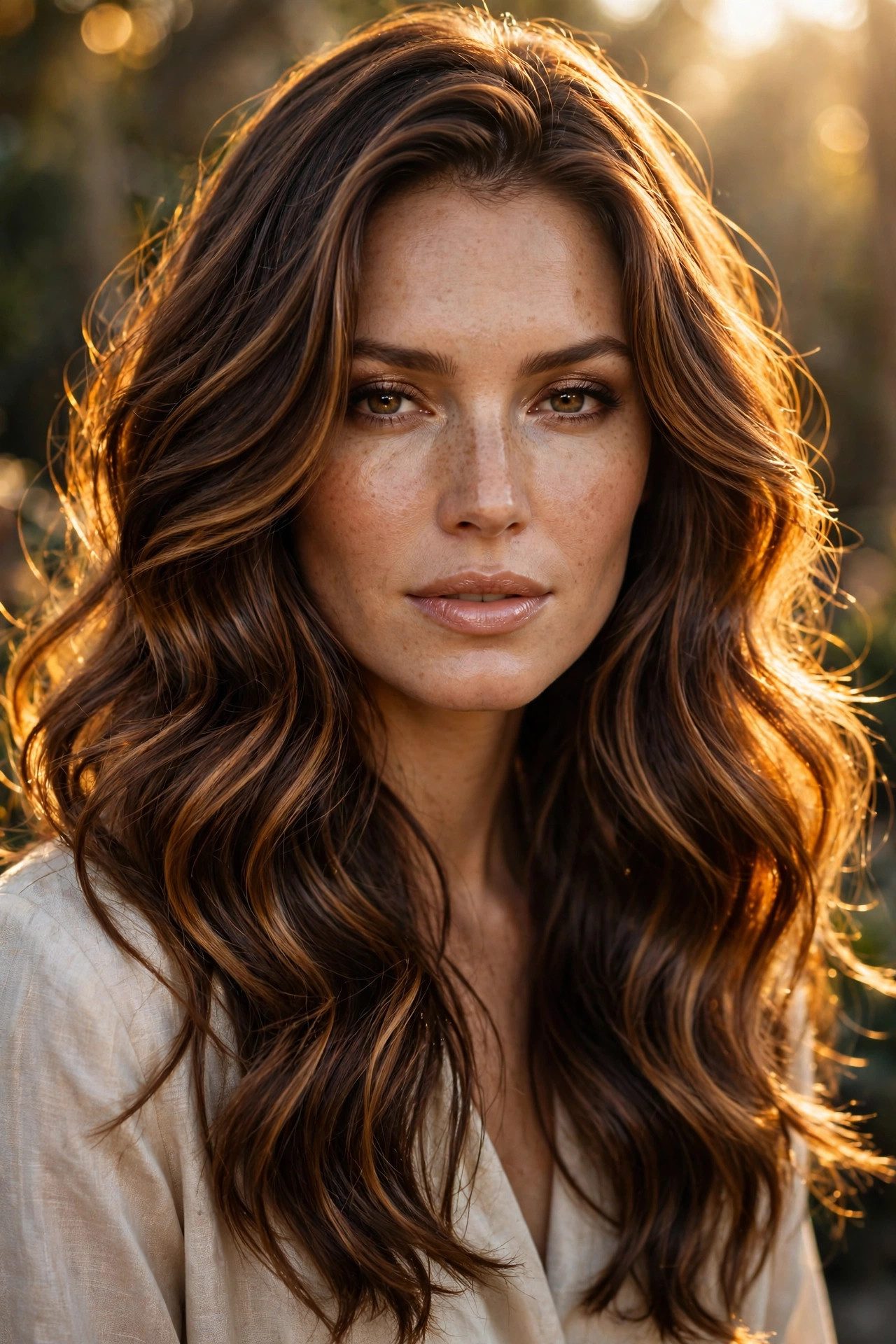
Not quite copper, not quite chocolate — amber brunette is the warm, glowing brown taking over salons this fall. Here's how to ask for it and keep it rich.
Glass Hair: How to Get the Ultra-Shiny Sleek Look
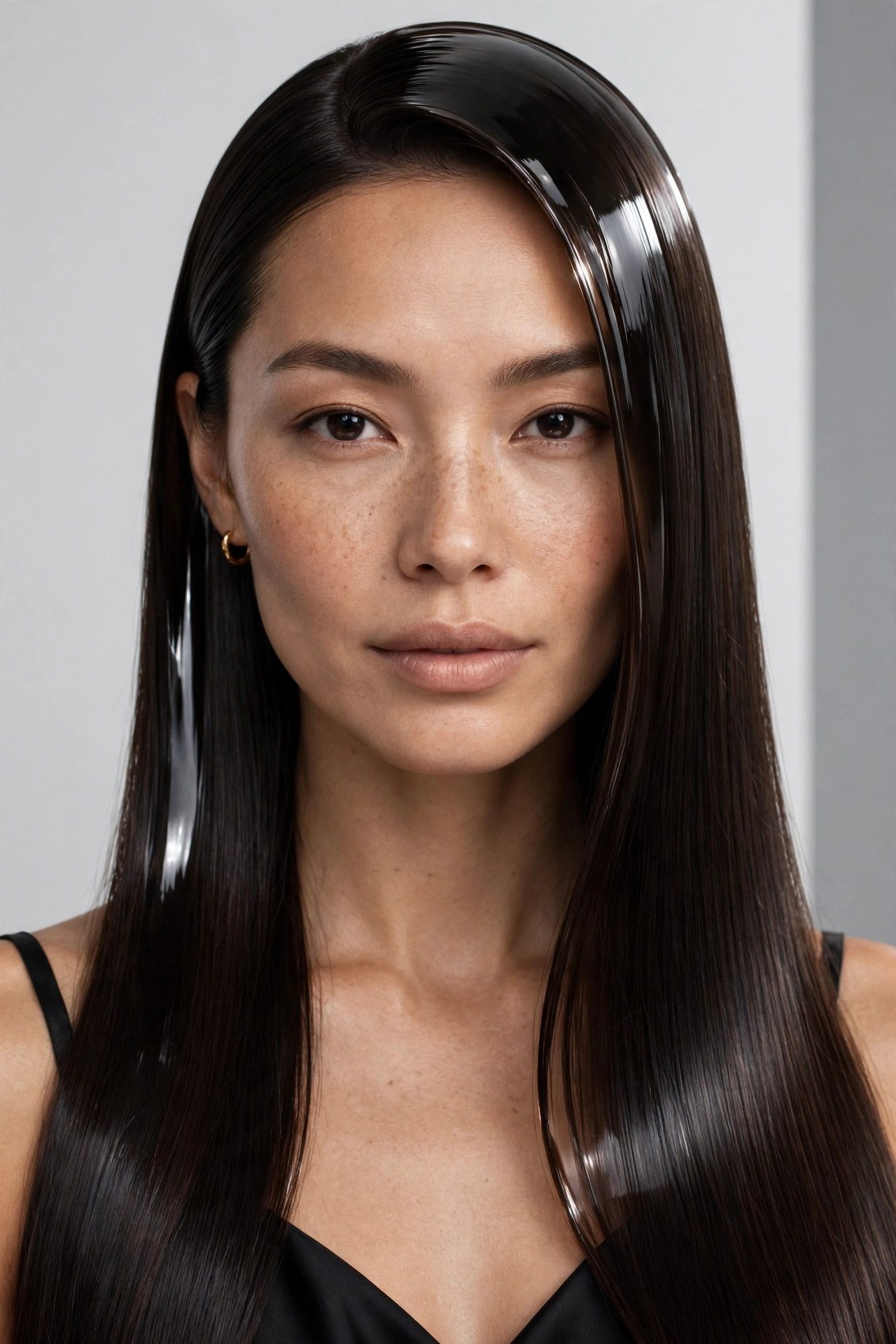
Glass hair is the ultra-sleek, mirror-shine look all over red carpets and TikTok. It's not genetics — it's technique. Here's the full routine.
Cherry-Cola Brunette Hair: Autumn's Richest Color
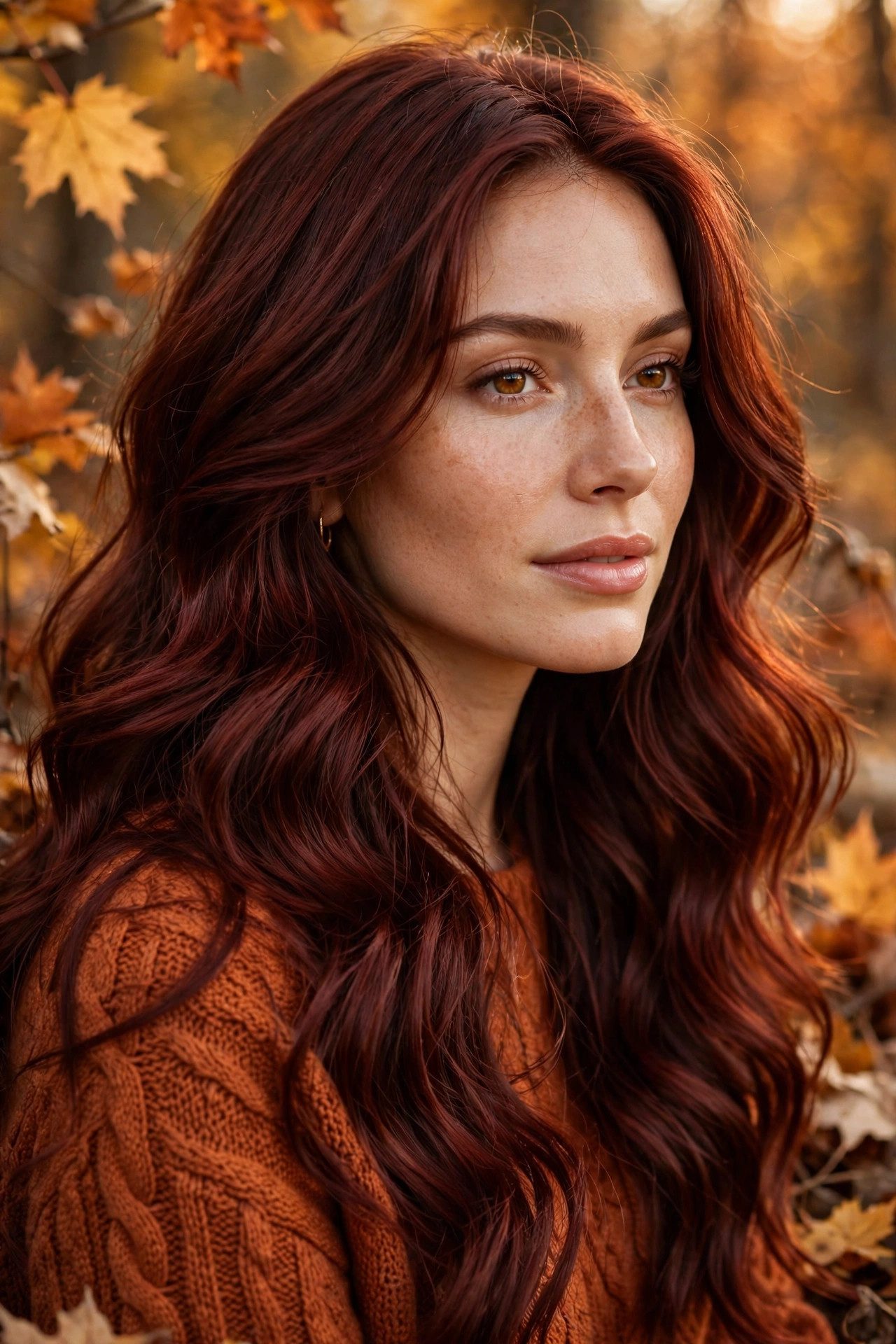
Deep brunette meets cherry-red richness — cherry-cola hair is autumn's most coveted color. Who it suits, what to ask for, and how to keep it vibrant.