Gel-X Nails: The Extensions Taking Over the US
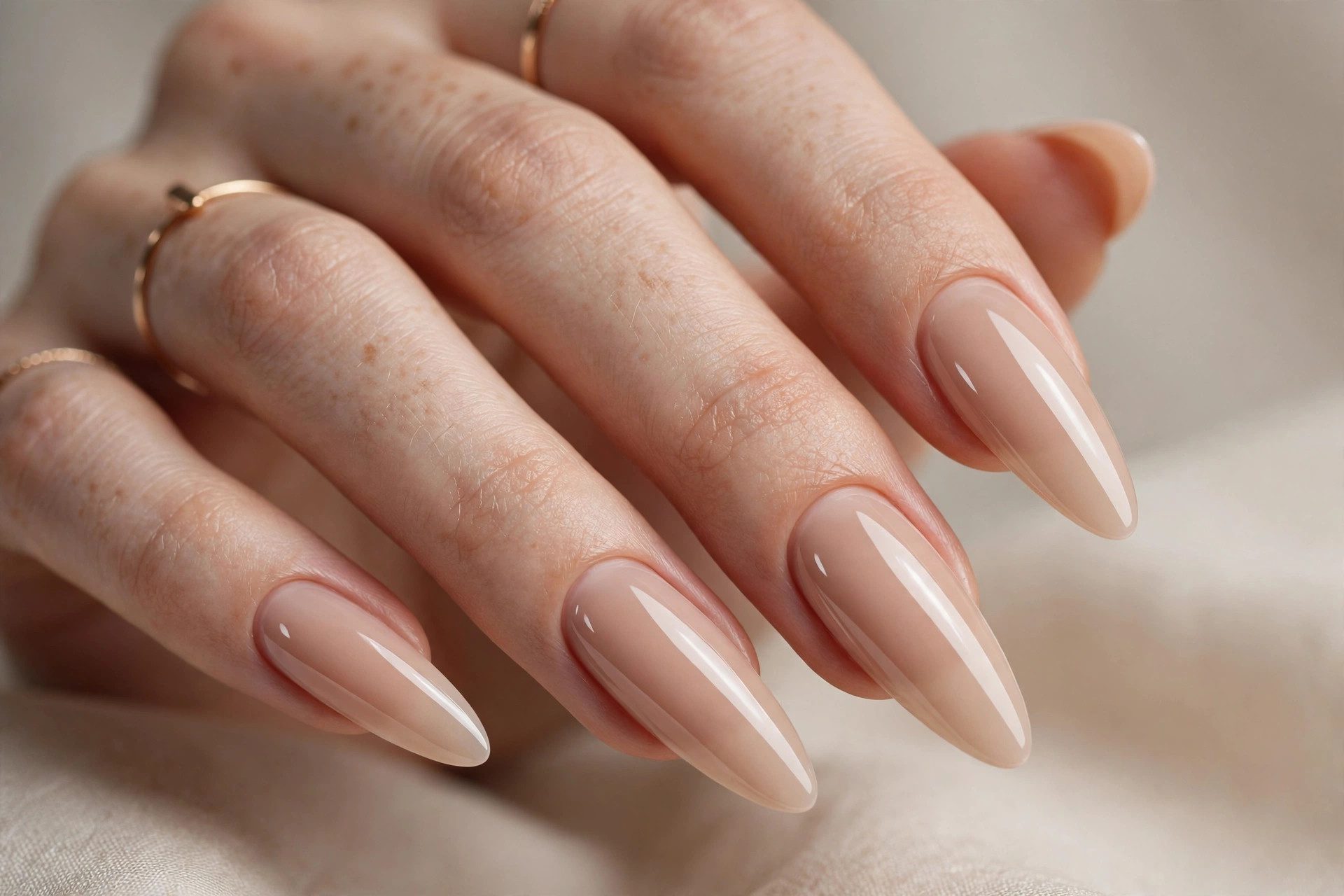
What Are Gel-X Nails, Exactly?
Okay, quick history lesson, because it explains everything. For decades, if you wanted long nails, your options were acrylics — strong-smelling, drilled-on, notoriously harsh — or nothing. Then Gel-X showed up and quietly rewrote the whole equation.
Here's how it works: instead of sculpting product onto your nail with monomer liquid (the stuff that smells like a chemistry lab), your tech glues a pre-shaped soft gel tip onto your natural nail using gel adhesive, then cures the whole thing under a UV or LED lamp. The tip itself is made of the same soft gel as the overlay. No powder. No monomer. No drilling your natural nail into oblivion.
The result looks like acrylics' polished younger sister — same length and drama, but lighter, more flexible, and with a finish that's naturally glossy instead of that thick plastic look. And when you're done? They soak off. Completely. In acetone. Like a gel manicure, not a construction project.
Why America Switched From Acrylics to Gel-X
Gel-X searches are up 50% year over year in the US, and honestly, we're not surprised — this is the rare beauty trend driven by pure practicality rather than aesthetics alone.
Think about what changed. In 2025, the big story was skipping the salon entirely — press-ons had their moment. But press-ons are a weekend solution. They pop off in the shower, they lift at the edges, and nobody's pretending otherwise. In 2026, the pendulum swung: people still want convenience, but they want a salon-grade result that actually lasts. Gel-X sits exactly in that sweet spot.
There's also the damage conversation. We've all lived through the acrylic era — the thinning, the peeling, the months of recovery. An entire generation of nail lovers is now ingredient-conscious and damage-averse in a way we just weren't before. A system that promises length without the destruction? That's not a trend. That's a correction.
And let's not ignore the salon economics: Gel-X applications are faster than sculpted acrylics, which means techs can book more clients. Salons love it. Clients love it. Everybody wins.
Who Gel-X Is Perfect For
Gel-X flatters pretty much everyone, but it really shines (literally) for a few types of people. If your natural nails are thin, brittle, or just refuse to grow past a certain point — Gel-X is your answer. If you want length for an event but don't want to commit to months of acrylic maintenance, it's perfect. And if you've sworn off acrylics because of the smell or the damage, welcome home.
The shape options are genuinely fun, too. Almond, coffin, stiletto, square — the pre-shaped tips come in all of them, and because the tips are consistent, both hands actually match. (Acrylic girlies know the pain of one hand being slightly... off.)
Who should pause? If you're extremely rough on your hands — rock climbing, heavy manual labor, competitive dish-washing — any extension will struggle. Gel-X is durable but it's not indestructible. Also, if you have a known gel allergy, talk to your tech first; the adhesive is a gel product.
The Real Cost: Salon vs. DIY
Let's talk money, because it matters. A Gel-X full set in the US typically runs $60 to $120, depending on your city, the length, and how elaborate the nail art gets. That's roughly in line with a quality acrylic set — sometimes a touch less, since application is faster.
The real savings show up at removal. Acrylic removal is a whole ordeal (and often an extra charge with extra damage). Gel-X soaks off in 15 to 20 minutes. Many salons will remove them free when you're getting a fresh set. Over a year of regular appointments, that gentler cycle genuinely adds up — in both dollars and nail health.
What about DIY? The at-home Gel-X kits are everywhere now, and they're... fine. Here's our honest take: your first set should be at a salon. Proper nail prep — dehydrating, priming, getting the tip flush with zero air bubbles — is a skill. Air bubbles are the enemy; they're where lifting starts, and lifting is where breakage starts. Once you've watched a pro do it and learned the rhythm, the at-home kits become a reasonable maintenance option. But learn from someone who knows first.
Gel-X vs. Acrylics vs. Press-Ons: The Honest Scorecard
We get asked this constantly, so let's settle it once and for all. How does Gel-X actually stack up against the other options?
Vs. acrylics: Gel-X wins on gentleness, smell (there is none), and removal. Acrylics win on raw durability — they're harder and can take more abuse. If you're brutal on your hands and need armor, acrylics still have a place. For everyone else, Gel-X gives you 90% of the look with a fraction of the damage. It's not close for us.
Vs. press-ons: This is the interesting one, because press-ons had their big moment in 2025. They're cheap, fast, and great for a weekend. But they lift, they pop off at the worst moments, and they never quite look like they grew there. Gel-X is the grown-up version: professionally applied, sealed at the cuticle, lasting weeks instead of days. Think of press-ons as the situationship and Gel-X as the relationship.
Vs. builder gel / structured manicure: Builder gel is fantastic for strengthening natural nails, but it doesn't give you length — it works with what you have. If your goal is long, dramatic nails starting from short naturals, Gel-X is the only soft-gel option that delivers. If you just want stronger natural nails, builder gel might be all you need.
The bottom line: Gel-X occupies the sweet spot most people actually want — real length, real durability, minimal damage, reasonable price. That's why it's up 50% while everything else is flat.
Making Them Last and Our Verdict
Gel-X aftercare is refreshingly simple. The golden rule: your nails are jewels, not tools. No opening cans, no scraping stickers, no using them as screwdrivers — we know you do it, we're asking you to stop.
Cuticle oil daily. Gloves for cleaning and dishes. If you notice any lifting at the edges, don't pick at it (we know it's tempting) — book a fix before moisture gets underneath. And when it's time for a new set, soak off properly rather than prying. Prying is how natural nails get shredded, and it undoes all the gentleness you paid for.
Our verdict? Of all the extension systems out there right now, Gel-X is the one we'd recommend to a friend without hesitation. It looks expensive, feels lightweight, removes kindly, and the 50% search growth tells us America agrees. Acrylics had a great run. But the future is softer — literally.
One last tip if you're booking soon: fall and winter are peak extension season, so popular techs book out. Don't wait until the week before the holidays. And when you sit in that chair, bring reference photos — even great techs appreciate knowing exactly what length and shape you're dreaming of. Communication is the cheapest upgrade in beauty.
Frequently asked questions
How long do Gel-X nails last?
With proper care, two to four weeks. Avoid using your nails as tools, wear gloves for cleaning, and get fills or a fresh set before lifting starts — lifting is what leads to breakage.
Are Gel-X nails less damaging than acrylics?
They're significantly gentler. Gel-X uses a soak-off soft gel tip with no harsh drilling on the natural nail, while acrylics require aggressive filing and strong-smelling monomers. Most people find removal far less damaging.
How much do Gel-X nails cost?
A full set typically costs $60 to $120 in the US depending on length, shape, and nail art. Removal at the salon usually runs $10 to $20, though many salons remove for free when you're getting a new set.
Can Gel-X nails be soaked off?
Yes — Gel-X tips are made of soft gel and soak off completely in acetone, usually in 15 to 20 minutes. No drilling the product off, no picking. Just soak, gently push, and done.
Can I apply Gel-X at home?
You can, but we'd suggest your first set at a salon so you learn proper prep and application. The at-home kits work, but the learning curve is real — especially getting the tip to sit flush with no air bubbles.
You may also like
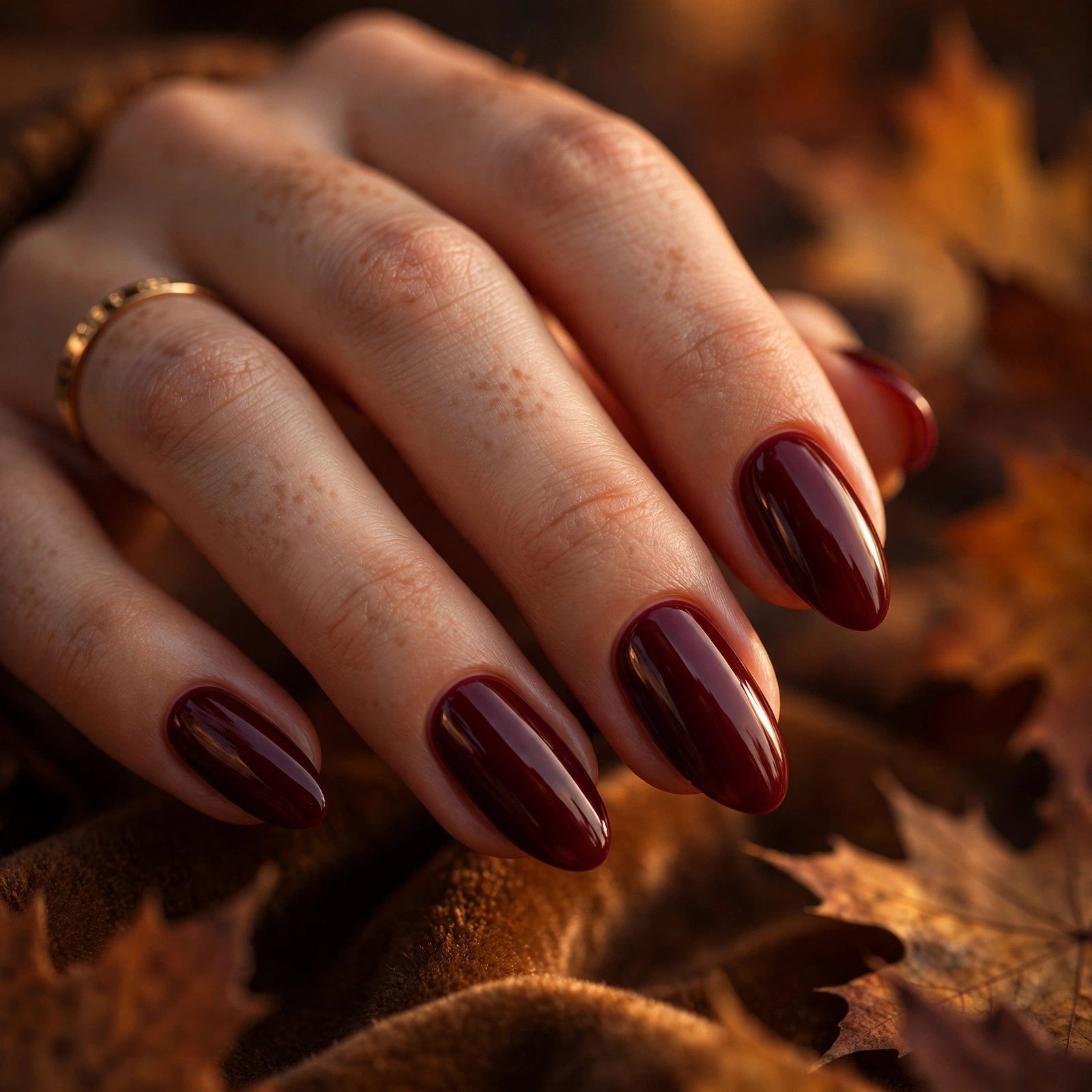
Burgundy Nails: Fall's Most-Wanted Manicure
Burgundy nails are fall's most requested salon shade. We break down the undertones, the shapes that flatter it, and how to wear it without looking goth.
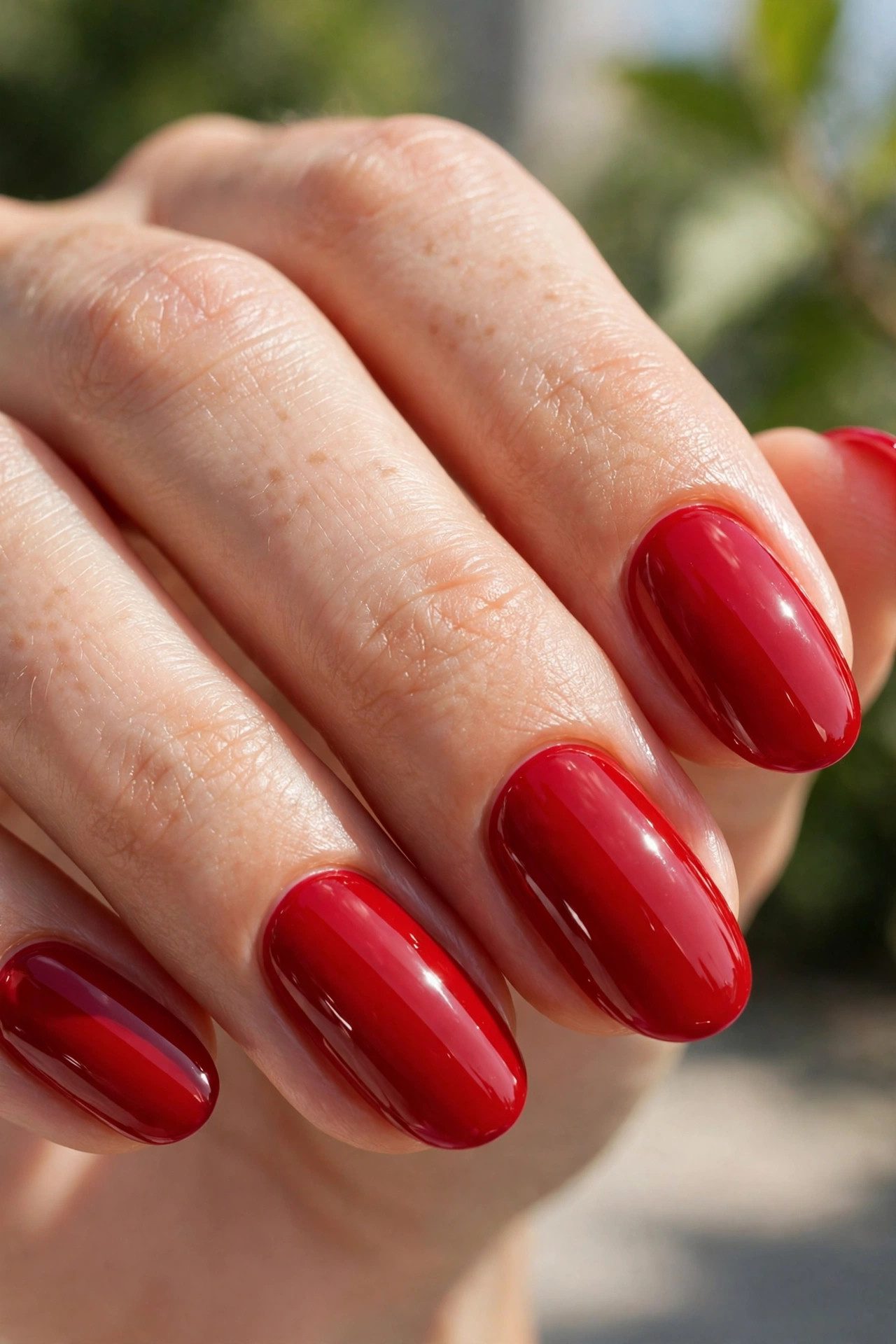
Dazzle Dry Nails: Chip-Free Color, No UV Lamp
Dazzle Dry gets 74,000 US monthly searches. We tested the no-UV quick-dry system everyone swears by — here's our unfiltered review.
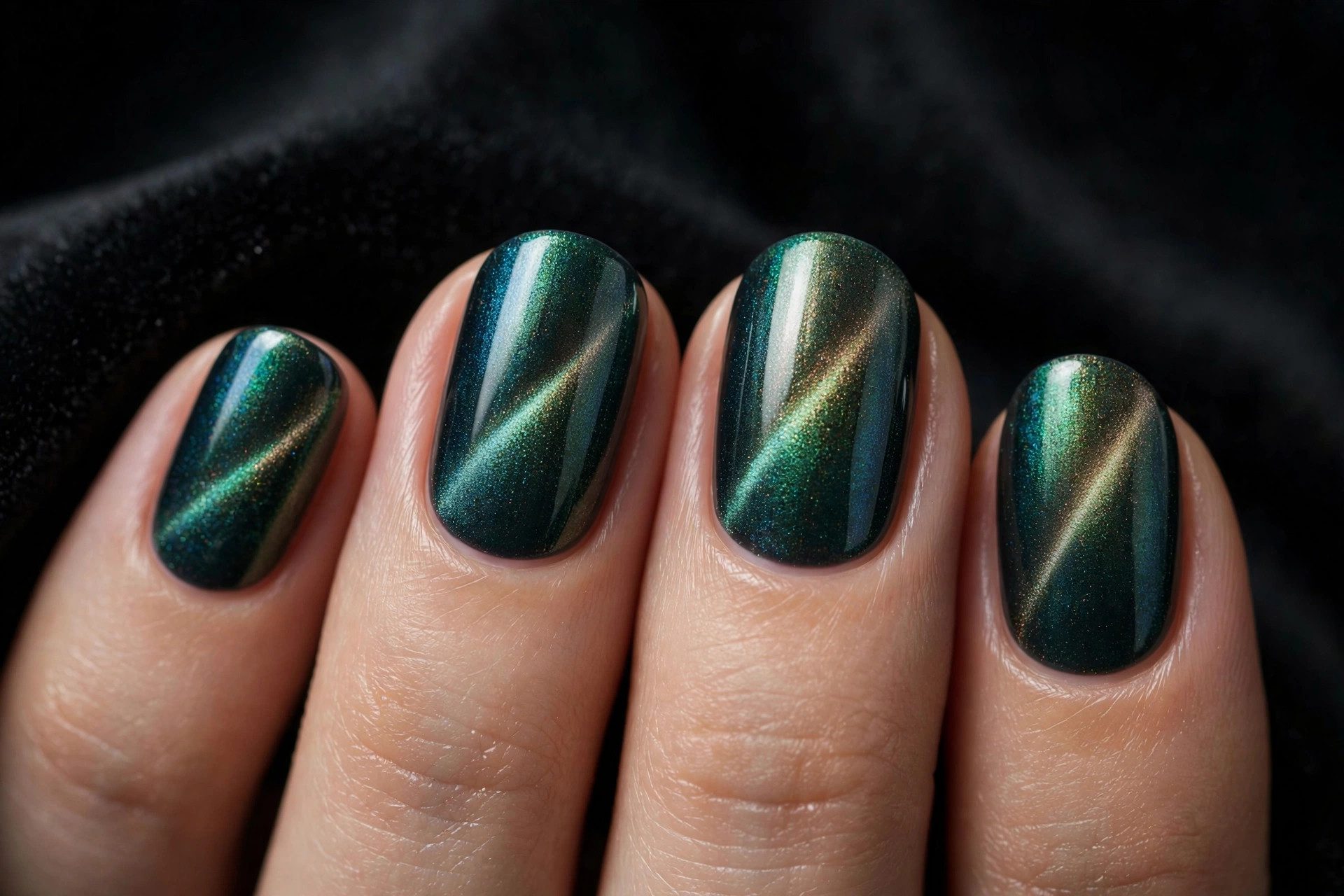
Mooncat Nail Polish: The Indie Magnetic Sensation
Mooncat nail polish is up 82% in US searches. We dig into the indie brand behind the magnetic lacquer craze and whether it's worth the hype.