Tinted SPF: The One-Step Base Replacing Foundation
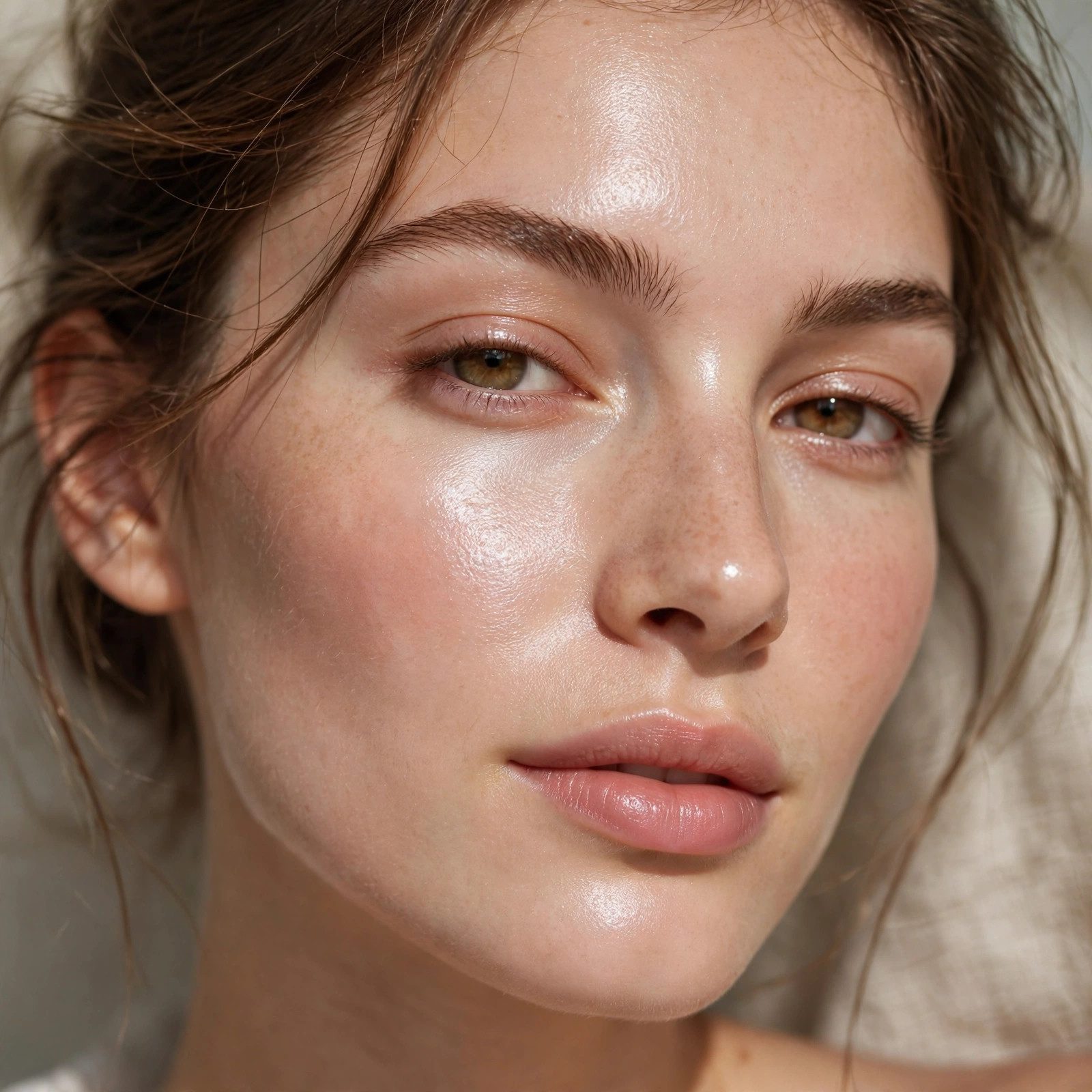
The one-step base taking over America
Somewhere along the way, foundation got... exhausting. The shade matching, the full coverage, the way it looks perfect at 8am and questionable by 3pm. So a quiet rebellion started: women swapping their foundation for something lighter, faster, and smarter.
Enter tinted SPF — sunscreen with enough pigment to even out your skin tone. One product, one step: sun protection plus that "my skin but better" finish. No separate sunscreen layer. No foundation routine. Just smooth it on and go.
And it's not a niche thing anymore. Tinted SPF is one of the fastest-growing base categories in the US, with dermatologists, beauty editors, and TikTok all converging on the same message: this is what everyday base makeup looks like now.
But — and this matters — not all tinted SPFs are equal, and most people use them wrong. Let's fix that.
Why tinted SPF is having its moment
Why is this happening right now? Honestly, it's the collision of three things.
Skin-first everything. The clean girl aesthetic, the glazed donut skin moment, the general move toward looking like yourself — heavy foundation contradicts all of it. Tinted SPF gives coverage without the mask.
Dermatologists won the argument. Years of derms saying "wear SPF every single day" finally sank in, especially with younger buyers. But nobody wants to layer white-cast sunscreen under makeup. Tinted SPF solved the compliance problem by making sun protection the makeup.
Mornings got shorter. Hybrid work, busy lives, the death of the 45-minute routine — a single product that does two jobs just makes sense. The best beauty trends aren't just pretty; they're practical.
Our take: this isn't a fad. It's a category correction. Foundation isn't dying — it's just moving to evenings and events while tinted SPF owns the daytime.
The honest truth about protection
Let's address the elephant in the room: does it actually protect you?
Yes — if you apply enough. And that's a big if. Here's the thing nobody mentions: SPF testing assumes a thick, even layer — about a full finger-length of product for your face. Most people apply half that amount of tinted products because they're thinking "makeup," not "sunscreen."
So you have two honest options:
- Option A: apply a generous amount of tinted SPF as your only base. Really work it in. This gives you the labeled protection.
- Option B (what most dermatologists actually recommend): apply your regular sunscreen first, let it set for a minute, then apply tinted SPF over it for the tint. Belt and suspenders. Zero guesswork about protection.
Also check the formula: look for broad-spectrum SPF 30 or higher. SPF 15 doesn't cut it for daily wear, tinted or not. And reapply if you're outside for hours — a powder SPF or SPF mist over makeup makes this actually doable.
Don't let perfect be the enemy of good here. Tinted SPF worn daily protects infinitely more than the "perfect" sunscreen routine you skip.
Reapplication is the part everyone skips, so let's make it realistic. Nobody is washing their face at 2pm to redo sunscreen. Instead, keep an SPF setting spray or powder in your bag and mist or dust it over makeup midday. It takes ten seconds and it counts. On mostly-indoor days, your morning application is doing the heavy lifting anyway.
Finding your shade without the guesswork
Shade matching is where tinted SPF shopping goes wrong, because the rules are slightly different from foundation:
Know your undertone. Pink/cool, yellow/warm, or neutral — this matters more than the depth. The wrong undertone is what makes tinted products look orange or ashy. If your veins look blue, you're cool; green, warm; can't tell, neutral.
Go slightly deeper than instinct. Almost everyone picks too light, and too-light tint looks chalky. Your tinted SPF should disappear into your jawline, not lighten it.
Test in daylight. Store lighting lies — especially fluorescent. Swipe along your jawline, walk to a window or outside, then decide. This one habit will save you more returns than anything else.
Finish matters as much as shade. Dry skin: look for dewy or hydrating formulas. Oily skin: oil-free, mattifying, or "natural matte." Combination: a natural finish with powder just on the T-zone. The wrong finish in your right shade still looks wrong.
Shade ranges have gotten dramatically better — many brands now offer 10+ tints — but if you're very deep or very fair, swatch carefully. The extremes are still where ranges thin out.
One more shade tip: buy the travel or mini size first if it's offered. Tinted SPF oxidizes slightly on some skin as it wears — what matches at 8am can look a touch dark by noon. A week of real-world wear tells you more than any in-store swatch ever will.
Who should switch — and our verdict
So who should actually make the switch? Let's be practical:
- Everyday minimalists: this was made for you. One product, two minutes, out the door.
- Oily skin: yes, with the right formula. Oil-free tinted SPFs exist and they're good now — not the greasy mess of five years ago. Set with powder where needed.
- Dry skin: arguably the best candidate. Hydrating tinted SPFs look better on dry skin than most foundations, which can cling to flakes.
- Acne-prone skin: look for non-comedogenic and oil-free on the label. Lighter coverage also means less to clog pores. Many derms prefer this over full foundation for breakout-prone patients.
- Mature skin: excellent choice. Heavy foundation settles into lines; sheer tint doesn't. The SPF is doing anti-aging work every single day.
When to still reach for foundation: photography, events, or days when you want real coverage. Tinted SPF is sheer-to-light by design — it evens, it doesn't conceal. Dark spots and significant redness will still peek through, and that's fine. That's the look.
You can find solid options everywhere from the drugstore to Sephora to Ulta. Price doesn't predict performance here as cleanly as you'd think — some of the best-reviewed tinted SPFs are under $20.
Our verdict: if you wear base makeup most days, try going tinted-SPF-only for two weeks. Most people don't go back. Your mornings get shorter, your skin gets daily protection, and you look like yourself — just slightly more even. That's the whole pitch, and it's a good one.
Frequently asked questions
What is tinted SPF?
Tinted SPF (also called tinted sunscreen) is a sunscreen with skin-tinted pigment that evens out skin tone while protecting from UV rays. Think of it as the middle ground between bare skin and foundation.
Does tinted SPF actually protect like sunscreen?
For everyday wear, yes — if you apply enough. The catch: most people under-apply tinted products. Use a full finger-length amount for your face to get the labeled SPF. When in doubt, layer it over a regular sunscreen.
How do I find my shade in tinted SPF?
Look for your undertone first (pink, yellow, or neutral), then go a shade deeper than you think — most people pick too light. Test along your jawline in natural daylight, not under store fluorescents.
Can tinted SPF replace foundation every day?
Yes, that's exactly what it's for — as long as your skin isn't extremely oily. Choose an oil-free or mattifying formula, set the T-zone with a little powder, and you're set.
Is tinted SPF good for the gym?
Absolutely. It's actually ideal for workouts — way better than foundation, which mixes with sweat and clogs pores. Look for a water-resistant formula if you're really going to sweat.
You may also like
Blurred Lips: The Soft-Matte Lip Trend All Over TikTok
Blurred lips are the soft, just-bitten lip look all over TikTok — and searches are up 300%. Here's how to actually do it without looking messy.
Amber Brunette Hair: Fall's Warmest Color Trend
Not quite copper, not quite chocolate — amber brunette is the warm, glowing brown taking over salons this fall. Here's how to ask for it and keep it rich.
Burgundy Nails: Fall's Most-Wanted Manicure
Burgundy nails are fall's most requested salon shade. We break down the undertones, the shapes that flatter it, and how to wear it without looking goth.