Mocha Balayage: Soft Dimension for Autumn Hair
What Is Mocha Balayage?
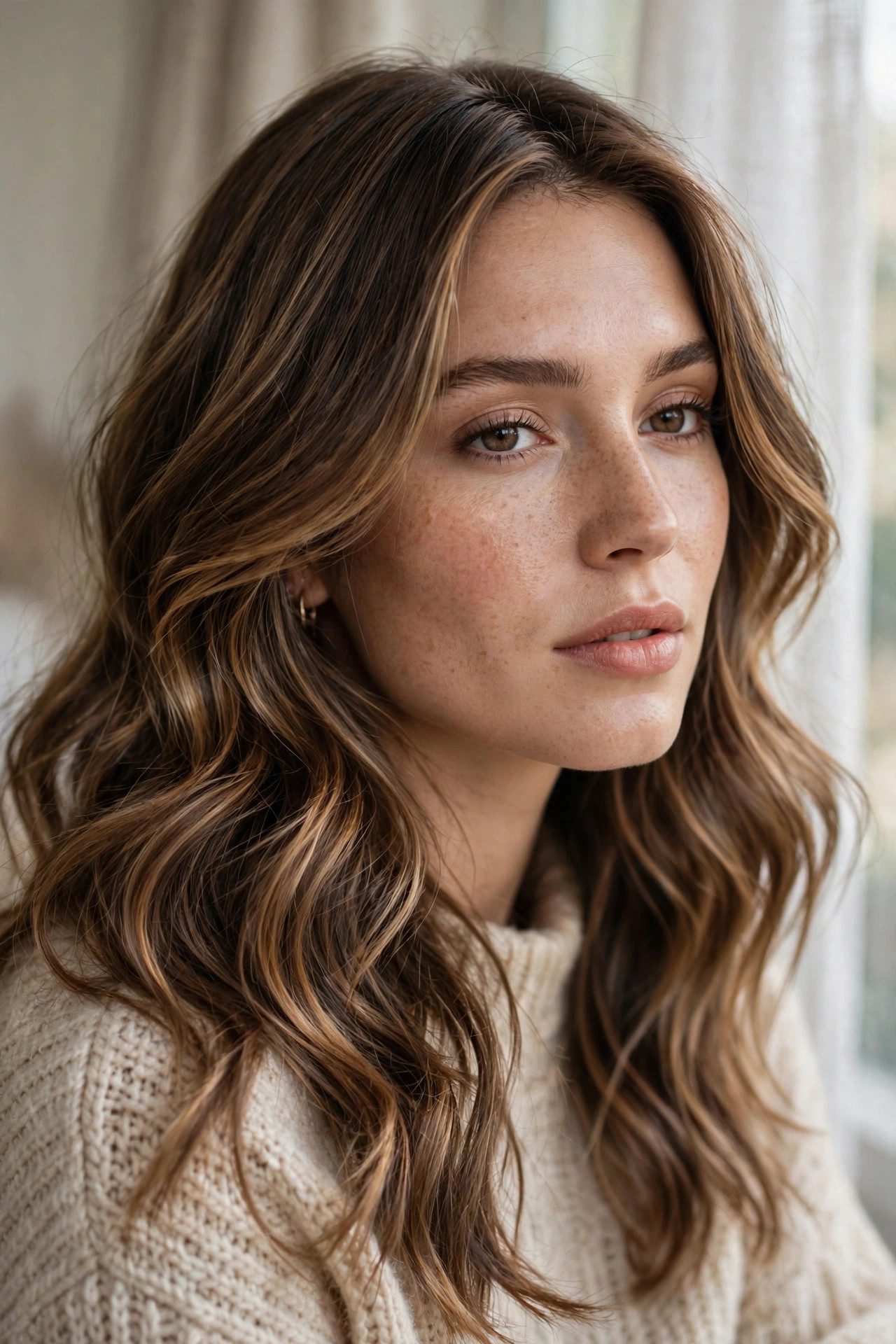
Mocha balayage is a hand-painted highlighting technique that sweeps soft mocha and caramel tones through a brown base — like the swirl of steamed milk through espresso. "Balayage" simply means the color is painted on freehand rather than foiled, which creates a soft, sun-kissed gradient instead of harsh lines.
The mocha version keeps everything in the warm brown family: a rich chocolate or coffee base melting into lighter caramel, toffee, and honey reflects through the mid-lengths and ends. Nothing ashy, nothing brassy — just dimensional, expensive-looking brown.
It's trending this autumn because it delivers the richness the season calls for while staying natural and wearable. And crucially, it's one of the lowest-maintenance color services you can get — the soft grow-out is the whole point.
Who Suits Mocha Balayage?
Mocha balayage is one of the most universally flattering color services, but it has a sweet spot:
- Natural brunettes (levels 4–7): This is the ideal canvas. Your colorist lifts your existing brown just enough to reveal caramel tones, keeping the result seamless and natural.
- Warm and neutral skin tones: The mocha-caramel palette enhances natural warmth beautifully.
- Cool skin tones: Ask for a more neutral mocha with less golden reflect to keep it harmonious.
- Low-maintenance lifestyles: If you hate root appointments, balayage's soft grow-out means you can go three to four months between touch-ups.
Length-wise, balayage needs some hair to show off the gradient — it shines on medium to long hair, especially with waves or curls that reveal the dimension. On very short hair, the painted effect has less room to blend, so discuss placement carefully with your colorist.
What to Ask Your Colorist
Bring photos of mocha balayage specifically — not blonde balayage, which is a different conversation. Here's what to cover in your consultation:
- Tone direction: Say "mocha" and specify warm vs neutral. Warm mocha leans caramel and golden; neutral mocha stays closer to cool coffee tones.
- Contrast level: Do you want a subtle, barely-there brightness or bolder caramel ribbons? Show photos of both so your colorist calibrates correctly.
- Placement: Ask where the brightness will concentrate — face-framing pieces brighten your features, while through-the-ends placement gives an all-over glow.
- The money piece: Those brighter front strands are optional but add a lot of impact. Decide if you want them bold or blended.
- Root shadow: Most mocha balayage includes a root melt or shadow for the seamless grow-out. Confirm this is part of the plan.
- Maintenance schedule: Ask when you'll need a toner refresh versus a full re-application — they're very different appointments.
At-Home Mocha Balayage Options
True balayage is genuinely difficult to do on yourself — the freehand painting technique relies on angles you can't see in your own mirror. That said, you have options.
Best DIY approach: Focus on enhancing rather than creating. If you already have balayage, at-home glosses in caramel or mocha tones refresh the color beautifully between salon visits. Color-depositing masks in warm brown shades also revive faded dimension with zero risk.
Balayage kits: Box balayage kits exist, but results vary widely. They work best for subtle, all-over brightness on virgin (never-colored) hair. If your hair is previously colored, dark, or damaged, the lift will be uneven — book a professional instead.
The honest recommendation: Balayage is one of the services most worth paying a specialist for. A great balayage lasts months, so the cost-per-wear is actually low — and a bad one is very visible. If budget is tight, get the balayage done professionally once, then maintain it at home with glosses.
Maintenance Made Easy
This is where mocha balayage earns its reputation as the low-maintenance queen of hair color. The soft grow-out means no harsh root line — but a little care keeps the tones rich instead of dull.
- Toner refresh every 8–12 weeks: The caramel tones gradually fade or go brassy. A quick salon toner (much cheaper and faster than full balayage) brings back the perfect mocha.
- Color-safe, sulfate-free shampoo: Protects both the lifted pieces and your overall shine.
- Weekly mask: Lightened ends are drier than virgin hair. A hydrating mask once a week keeps them soft and glossy.
- Heat protection: Hot tools dull and brass out caramel tones. Always use a protectant.
- Watch the brass: If your caramel starts pulling orange, tell your colorist at your toner appointment — they can adjust the formula cooler. Blue or green-tinted toning conditioners can help at home, but use sparingly on warm mocha so you don't over-neutralize.
- Trims every 8–10 weeks: Healthy ends make balayage look expensive; split ends make it look tired.
Mocha Balayage vs Similar Techniques: Which Is Right for You?
Balayage is a technique, not a color — and mocha is just one flavor. Here's how it compares to the other options you'll hear at the salon.
Bronde balayage blends brown and blonde more evenly, landing lighter overall than mocha. Choose bronde if you want to feel closer to blonde; choose mocha if you want to stay firmly brunette with caramel dimension. Ombré creates a stronger, more noticeable gradient from dark roots to light ends, while balayage is softer and more blended. Ombré makes more of a statement; balayage looks more natural.
Foilyage uses foils to achieve more lift than traditional hand-painted balayage, giving brighter, blonder results. It's the pick if your hair is dark and resistant and you want significant lightness. A root melt or root shadow isn't a competitor at all — it's usually added on top of balayage to blur the regrowth line and extend time between appointments.
The bottom line: Mocha balayage is the choice for brunettes who want rich, dimensional, low-maintenance color that still reads as brown. If you find yourself wanting to go lighter over time, your colorist can push a mocha balayage toward bronde in future sessions — it grows out gracefully and gives you a perfect foundation to build on. Start with photos, be honest about your maintenance tolerance, and let the technique serve the color you actually want to live with.
Frequently asked questions
How long does mocha balayage last?
The balayage itself lasts three to four months thanks to the soft grow-out, and many people stretch it longer. You'll want a toner refresh every eight to twelve weeks to keep the caramel tones from fading or turning brassy.
Is mocha balayage low maintenance?
Yes — it's one of the lowest-maintenance color options. There's no harsh root line as it grows out, so you can go months between appointments. The main upkeep is a quick toner refresh and color-safe products at home.
Can blondes get mocha balayage?
Mocha balayage is designed for brunette bases, so natural blondes would need to go darker first. If you're a dark blonde who wants to deepen for autumn, your colorist can create a mocha balayage effect, but it's a bigger transformation than on brunette hair.
How much does mocha balayage cost?
Pricing varies widely by salon, location, hair length, and colorist experience — balayage is a premium service. Get a quote during consultation, and remember that toner refreshes between full applications cost significantly less.
Will mocha balayage damage my hair?
Balayage involves lightening, so some stress to the hair is unavoidable, but the freehand technique is gentler than full foils since less hair is processed. Keeping up with masks, trims, and heat protection minimizes any damage.
You may also like
Amber Brunette Hair: Fall's Warmest Color Trend
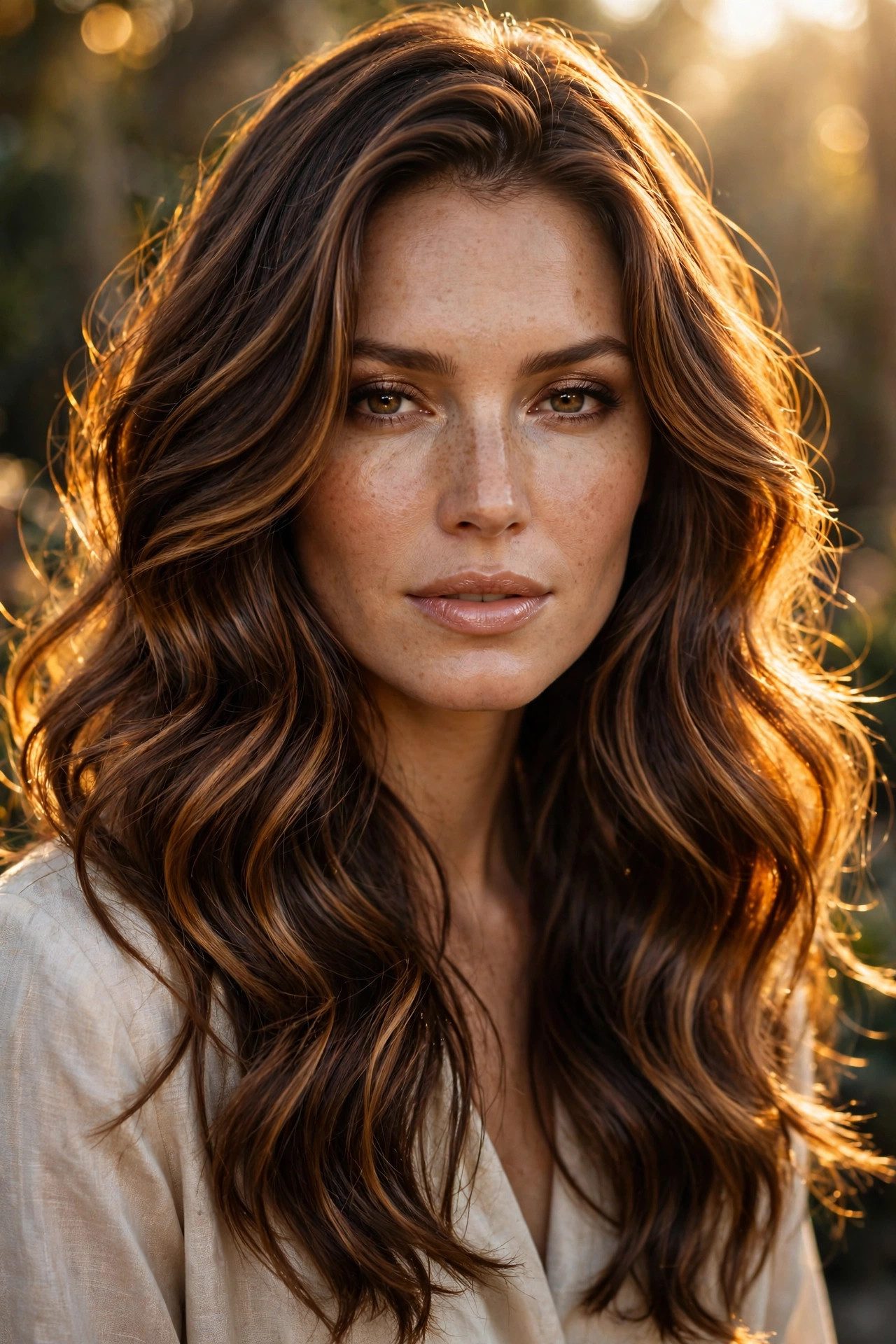
Not quite copper, not quite chocolate — amber brunette is the warm, glowing brown taking over salons this fall. Here's how to ask for it and keep it rich.

Curtain Bangs: The Face-Framing Cut America Can't Quit
They've survived every trend cycle since 2021 and they're not going anywhere. Here's why curtain bangs still work — and how to get them right this time.
Glass Hair: How to Get the Ultra-Shiny Sleek Look
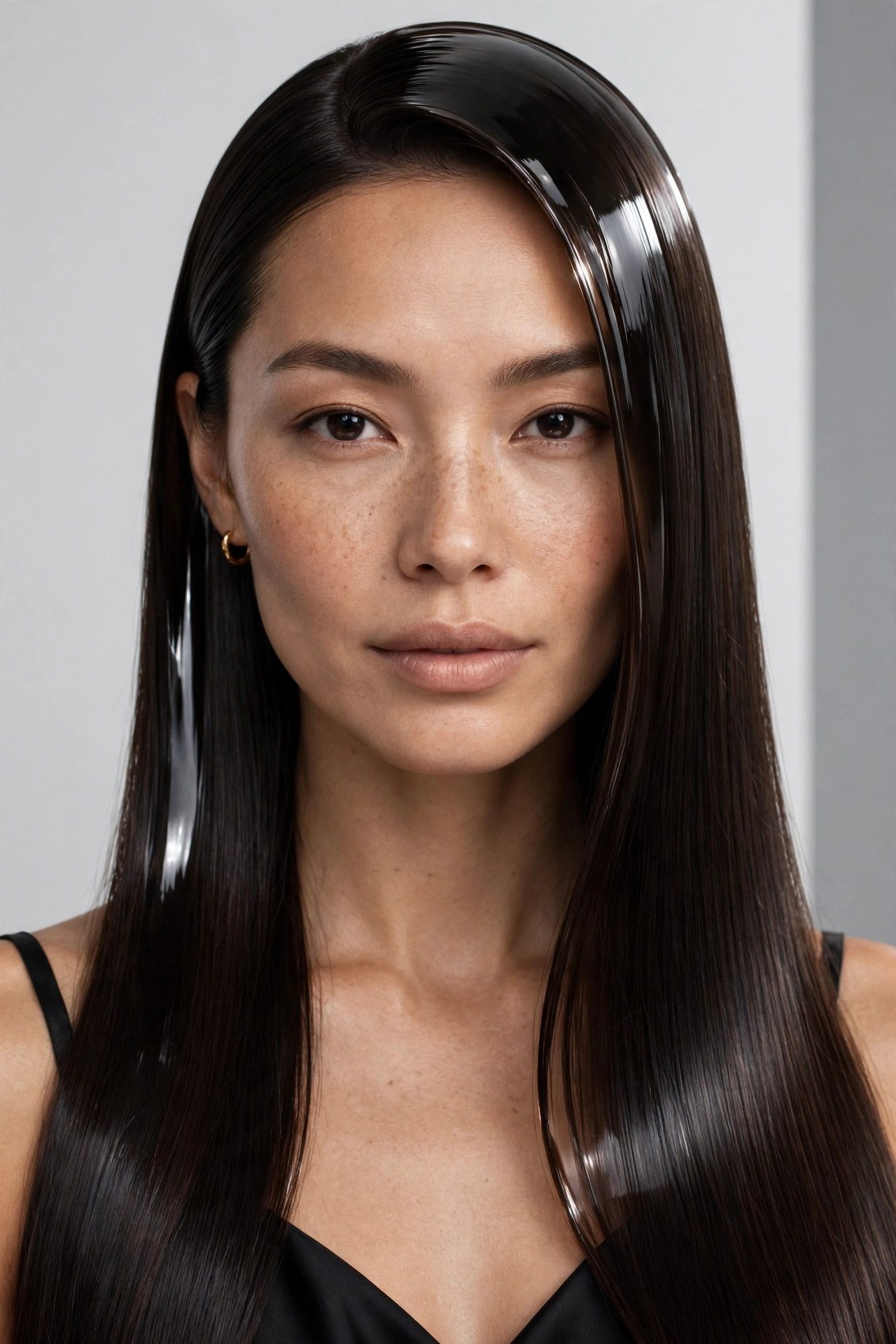
Glass hair is the ultra-sleek, mirror-shine look all over red carpets and TikTok. It's not genetics — it's technique. Here's the full routine.