Russian Manicure: Why America Is Obsessed
What Is a Russian Manicure, Really?
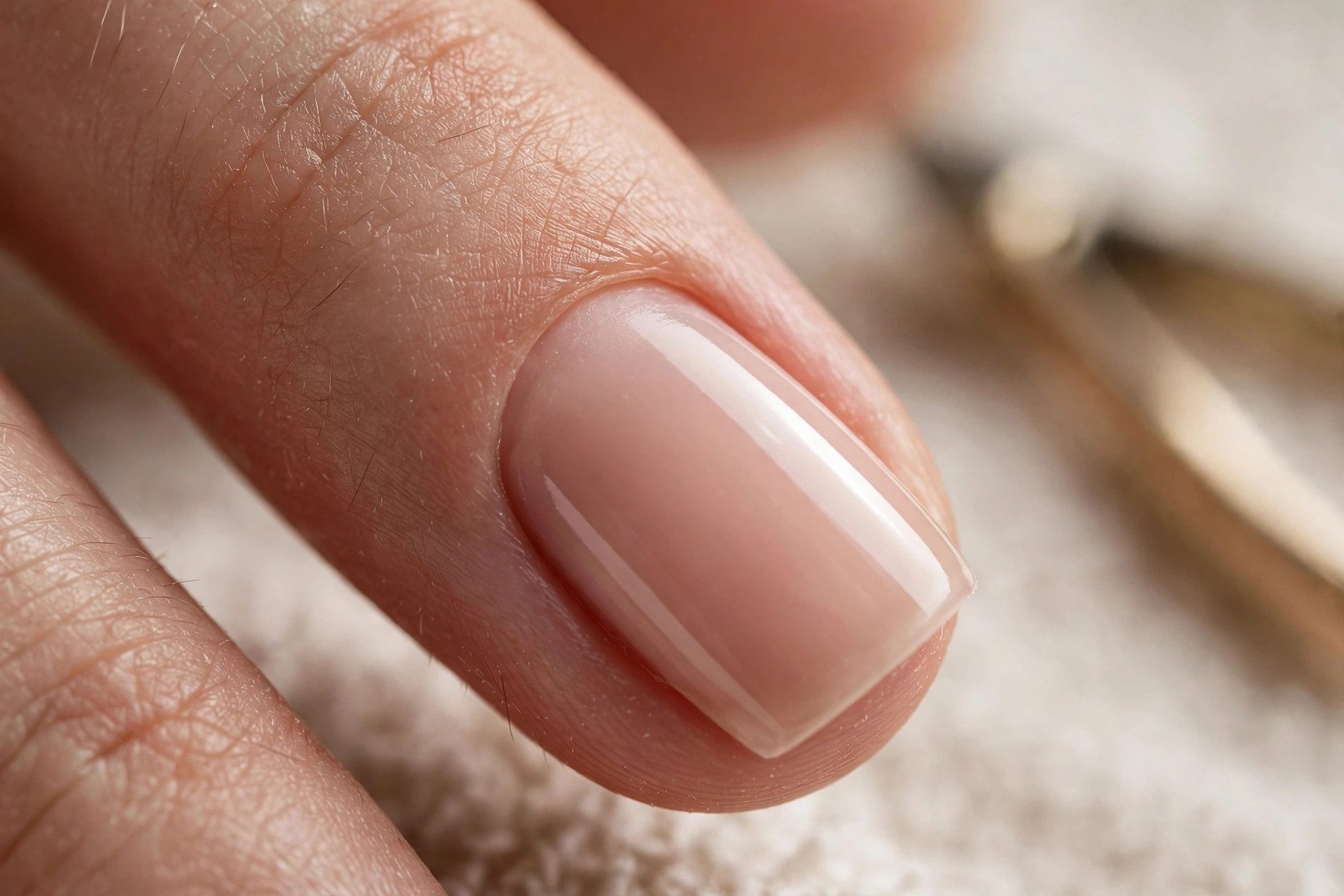
Strip away the mystique and a Russian manicure is beautifully simple: it's a dry manicure done with an electric file instead of soaking your hands in water. No bowls of warm soapy water. No pushing back softened cuticles with an orange stick. Instead, your nail tech uses a series of tiny drill bits to precisely lift, clean, and remove the cuticle area while your skin is completely dry.
Why does dry matter so much? Here's the thing most people don't realize: when your nails soak in water, they absorb it and swell. Polish applied to a swollen nail looks perfect in the chair — then your nails dry out, shrink back, and suddenly there's a tiny gap at the cuticle line. That's where chipping starts. A Russian manicure skips the soak entirely, so the polish goes on your nail's true shape and hugs the cuticle line with almost surgical precision.
The result is that ultra-clean, "how is there no gap at all?" look you keep seeing in close-up nail videos. Honestly? The first time we saw one in person, we understood the hype immediately.
One more thing worth knowing: because there's no soaking, the whole appointment tends to be quicker than you'd expect. Most Russian manicures take about an hour, sometimes less for a straightforward polish change. And the e-file itself isn't the scary drill it sounds like — in skilled hands it feels like a gentle vibration, not the grinding you might be imagining. If you've ever flinched at the thought of a drill near your nails, we'd say try it once before judging. The precision is the point, and the comfort might surprise you.
Why It's Blowing Up in the USA
The numbers don't lie: Russian manicure pulls roughly 135,000 US monthly searches, and that number keeps climbing. But why now? A few things collided at once.
First, TikTok did what TikTok does. Those oddly satisfying close-up videos of e-file cuticle work — the tiny drill bits, the perfect cuticle line — became a genre unto themselves. Millions of views. Thousands of saves. Once you've watched a 30-second video of someone's cuticles being perfected to that degree, a regular manicure starts to look a little... unfinished.
Second, Americans are tired of polish that chips in four days. We want longevity. The precision of the dry technique means polish lasts noticeably longer — we're talking two to three weeks of clean growth instead of one. When a manicure costs what manicures cost now, durability isn't a luxury. It's the whole point.
And third? There's a growing appetite for the meticulous over the fast. The same energy driving the "old money" aesthetic and the quiet-luxury moment is behind this: people would rather pay for one flawless, precise service than rush through a mediocre one.
Who Should Get One (and Who Should Skip It)
Let's be real about who this is for. If you love that crisp, editorial, salon-perfect look — polish that sits flush against the cuticle with zero flooding — this is your manicure. It's also fantastic if your polish normally chips fast, if you have stubborn cuticles, or if you just want your manicure to look freshly done for as long as humanly possible.
Who should think twice? If your cuticles are very thin, sensitive, or damaged, the e-file can be too aggressive in inexperienced hands. This is not a technique where you want the cheapest option in town. A bad Russian manicure — too much pressure, wrong bit, rushed job — can thin the nail plate and irritate the skin around it. We've seen the horror stories. They're real.
Also worth knowing: if you have any nail infections, open cuts, or conditions like psoriasis around the nails, skip it until things heal. The drill doesn't care about your excuses.
Salon vs. DIY: Our Honest Take
Could you do this at home? Technically, yes — e-files are sold everywhere. Should you? Honestly, no. Not at first.
The Russian technique lives and dies on the technician's skill: the angle of the bit, the speed, the pressure, knowing exactly when to stop. Professionals train for this. Your first attempt with a drugstore e-file is how nail beds get rings of fire (those painful red crescents that mean the file dug too deep). We've all been tempted by the DIY route to save money. This is the one trend where we'd genuinely tell a friend: pay the professional.
What should you expect to pay? In most US cities, a Russian manicure runs $60 to $100+, depending on whether polish, gel, or extensions are included. Yes, that's more than a basic manicure. But do the math: if it lasts three weeks instead of one, the per-week cost is basically the same — with a much better-looking result the entire time.
How to find a good tech: search "russian manicure near me" and actually read the reviews. Look for words like "gentle," "precise," and "no damage." Look at their Instagram — a good Russian-manicure tech posts macro shots because they're proud of that cuticle line. If their photos are all blurry distance shots? Keep scrolling.
What to Ask for at Your Appointment
Booking a Russian manicure isn't quite like booking a regular one — a little homework goes a long way. First, when you call or book online, actually say the words "Russian manicure" or "dry e-file manicure." Don't assume every tech at the salon does it. Many don't, and you don't want to show up expecting precision work and get a standard soak-off instead.
When you arrive, don't be shy about asking questions. A good tech will welcome them. Ask what kind of bits they use (ceramic and diamond bits are the standard), and ask to see close-up photos of their cuticle work — not just pretty polish shots, but the actual cuticle line. That's where the skill shows. If they seem annoyed by the question? That's your answer. Walk away.
Red flags to watch for: pain is the big one. You should feel vibration and light pressure, never sharpness or burning. If it hurts, speak up immediately — "rings of fire" (those red crescents on the nail plate) come from a tech going too deep, and they're a sign to find someone new. Also be wary of anyone who rushes. A proper Russian manicure takes 45 to 75 minutes. Anyone promising it in 20 is cutting corners, possibly literally.
And here's a pro tip: book your first appointment mid-week if you can. You'll get a calmer salon, a less rushed tech, and honestly, better work. Your nails deserve the good slot.
Maintenance and Our Verdict
The beautiful irony of the Russian manicure is that the more precise the initial work, the less maintenance it needs. Push your cuticles back gently once a week, keep them moisturized with cuticle oil (every night — non-negotiable), and wear gloves for dishes. That's basically it.
Between appointments, resist the urge to pick at the cuticle area. The whole point of the technique is that there's nothing to pick at. Let it be.
So, verdict time. We've tried more nail trends than we can count, and most of them are fun for a week and forgettable after. The Russian manicure is different — it's not really a "trend" at all. It's a better technique, full stop. The precision is real, the longevity is real, and once you've had one, going back to a regular manicure feels like downgrading. Our recommendation? Find a skilled tech, book the appointment, and thank TikTok later.
Frequently asked questions
How long does a Russian manicure last?
Typically two to three weeks, noticeably longer than a standard manicure. The dry technique means polish adheres to your nail's true shape, so it resists chipping and grows out cleanly.
Does a Russian manicure damage your nails?
In skilled hands, no — it's actually gentler than aggressive cuticle cutting. But an inexperienced tech using too much pressure or the wrong bit can thin the nail plate. Choose your technician carefully and check their close-up work photos.
How much does a Russian manicure cost in the US?
Expect $60 to $100 or more depending on your city and whether you add gel polish or extensions. It costs more upfront but lasts two to three times longer than a basic manicure.
What's the difference between a Russian manicure and a regular manicure?
A regular manicure soaks your hands in water and pushes back softened cuticles. A Russian manicure is completely dry — an electric file precisely cleans the cuticle area, giving a sharper cuticle line and longer-lasting polish.
Can I do a Russian manicure at home?
We don't recommend it for beginners. The e-file technique requires training to avoid damaging the nail plate. If you're determined, practice on low speed and watch professional tutorials first — but a skilled salon tech is worth every penny here.
You may also like
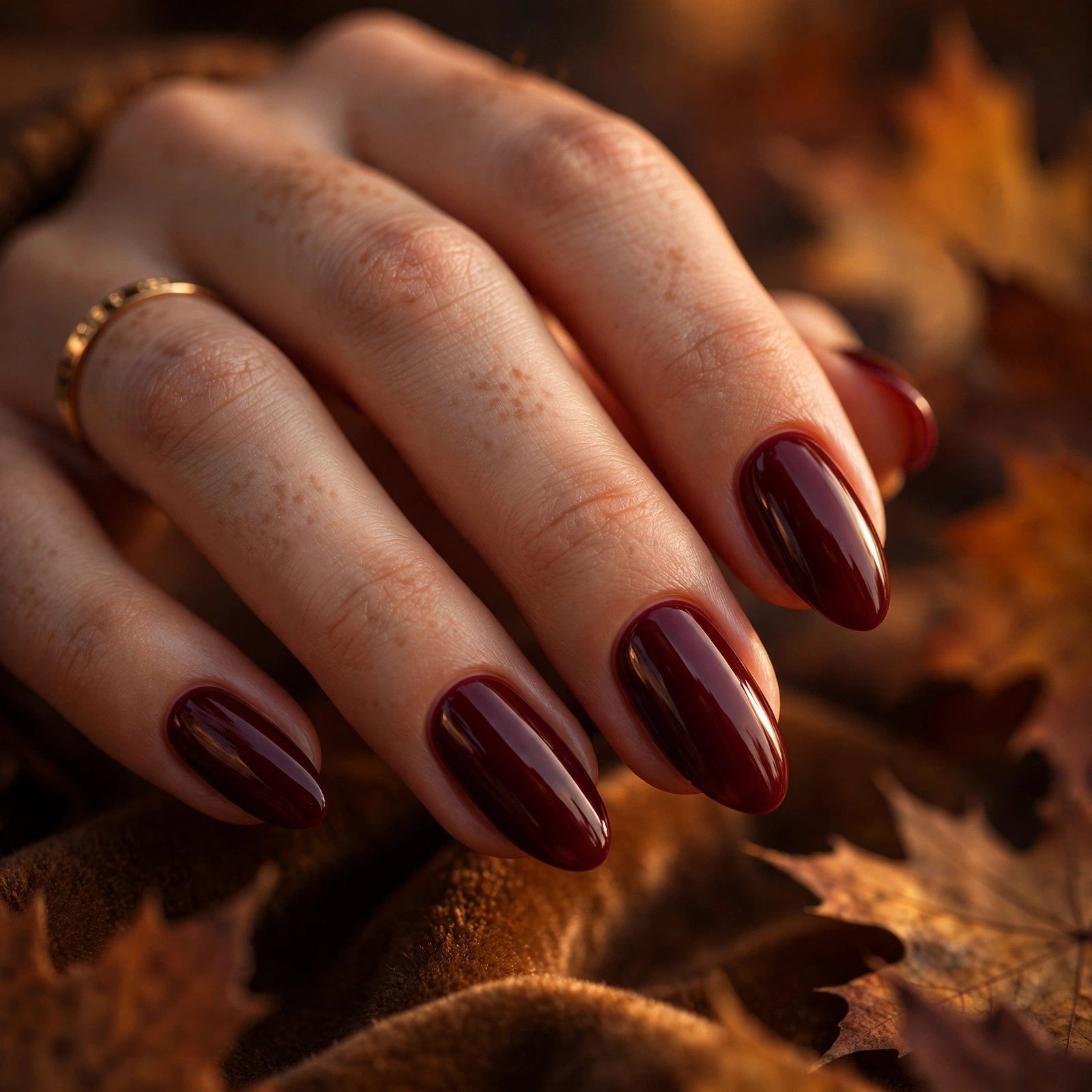
Burgundy Nails: Fall's Most-Wanted Manicure
Burgundy nails are fall's most requested salon shade. We break down the undertones, the shapes that flatter it, and how to wear it without looking goth.
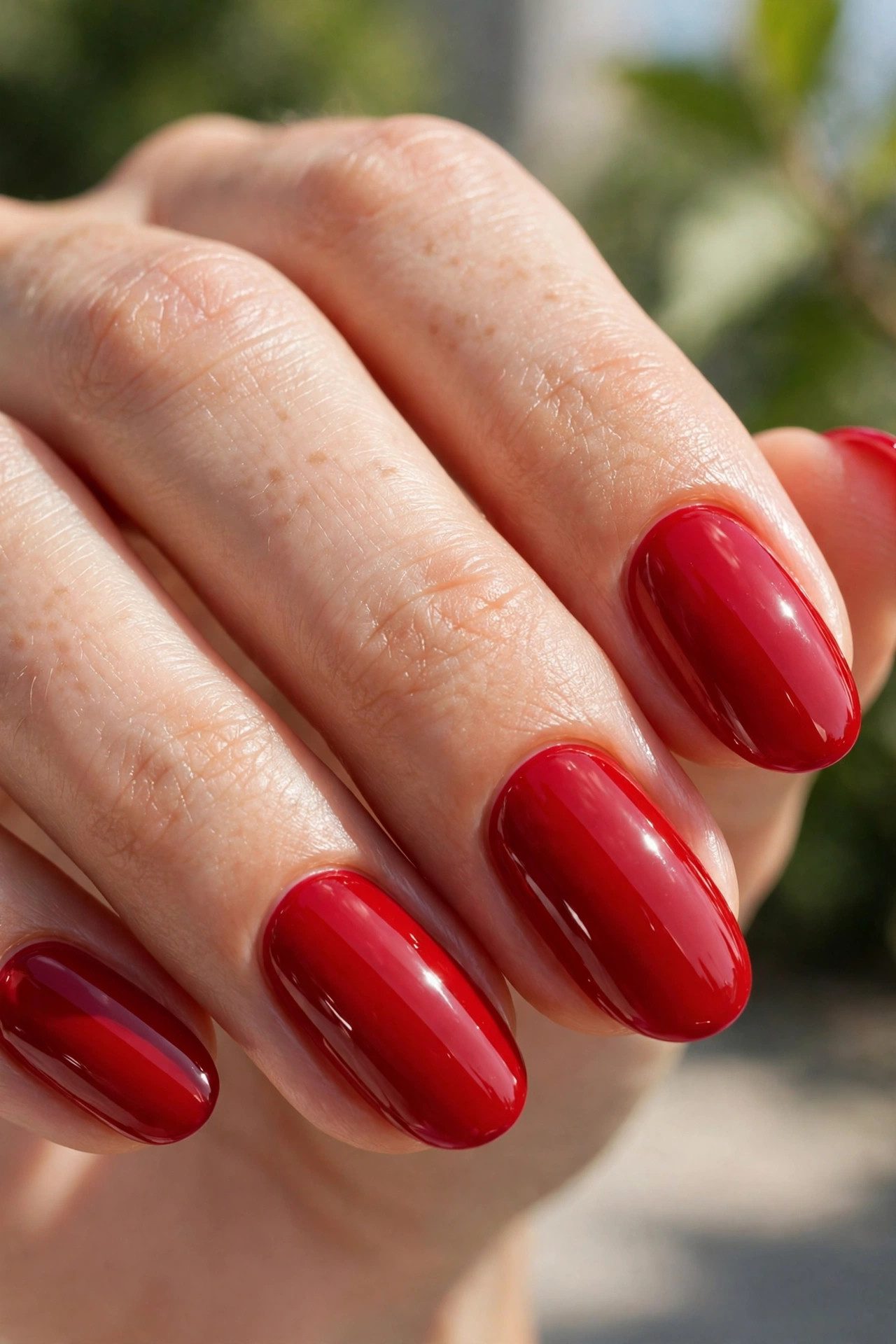
Dazzle Dry Nails: Chip-Free Color, No UV Lamp
Dazzle Dry gets 74,000 US monthly searches. We tested the no-UV quick-dry system everyone swears by — here's our unfiltered review.
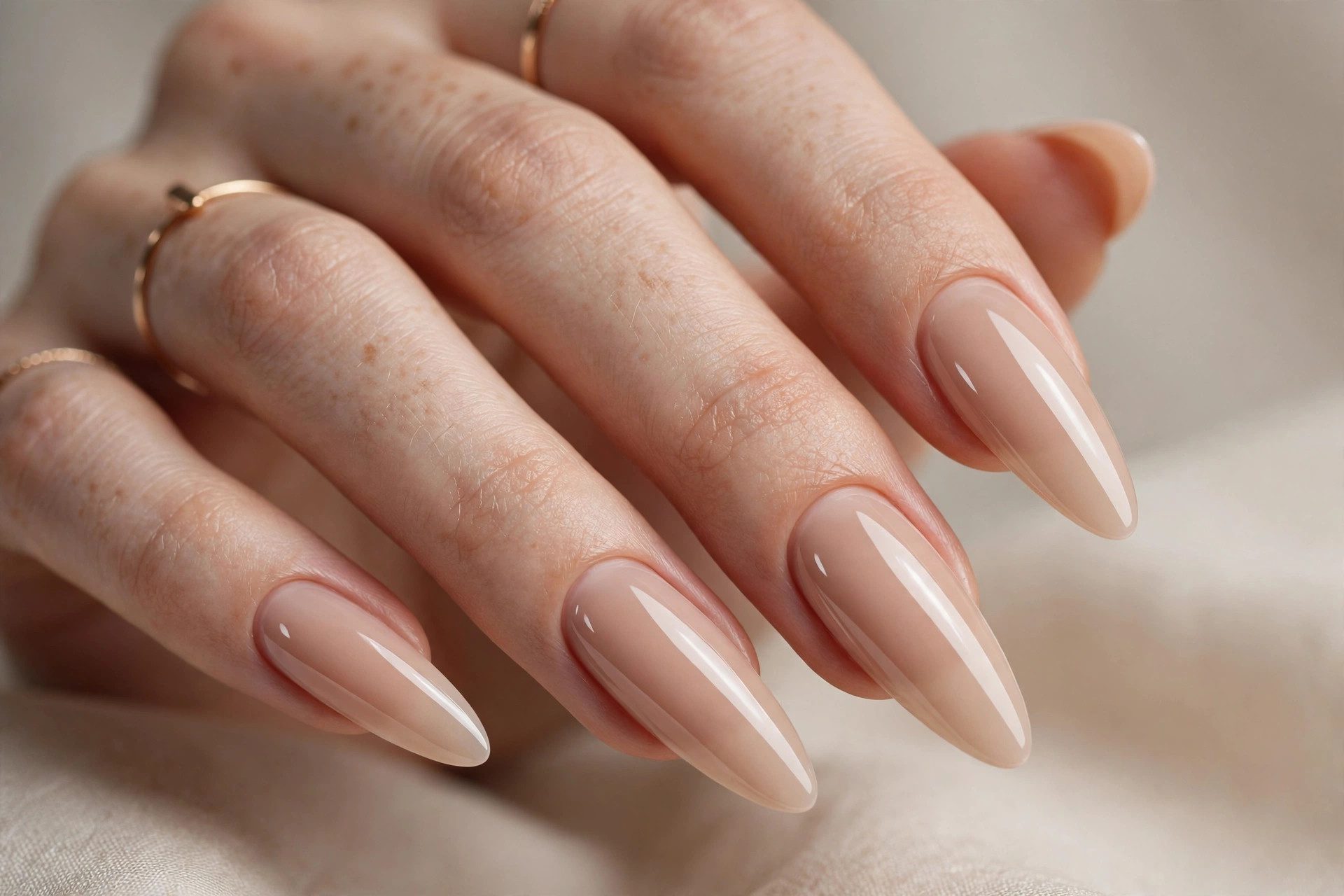
Gel-X Nails: The Extensions Taking Over the US
Gel-X extensions are up 50% year over year in the US. We explain the soft-gel system, how it differs from acrylics, and why salons can't keep up.